The Traffic Lights of Reading
🚦 A Fun Guide to Punctuation Marks!
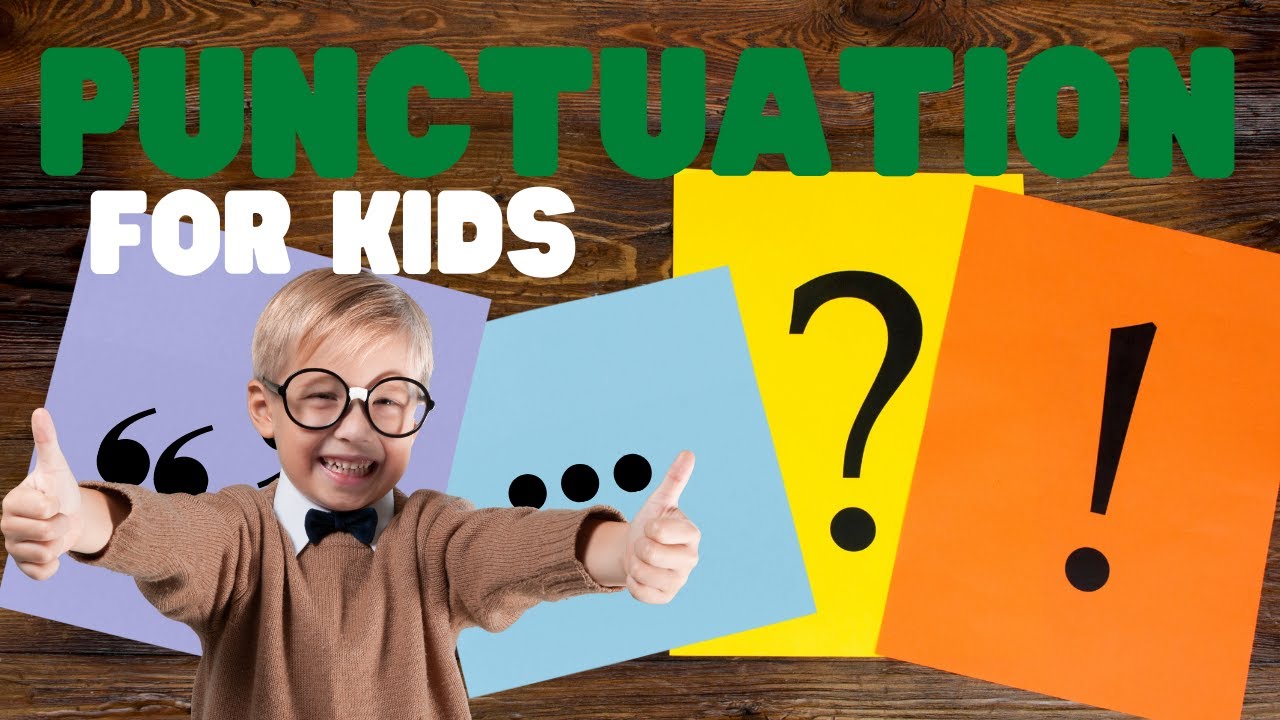
Have you ever tried to run a race without any stop signs, lanes, or traffic lights? It would be total chaos! 🏎️ Punctuation marks are the traffic lights of your sentences.
They tell your reader exactly when to take a breath, when to pause, when to get excited, and when to stop completely. Without them, all our words would crash into each other!
Today, we are going to meet the 6 essential punctuation marks that will turn your writing into a smooth, exciting ride. Let’s get started! 🚦
🎨 The Quick Punctuation Checklist
Before we meet our punctuation heroes, remember this golden rule: every single sentence you write must end with a punctuation mark! It is the closing seal on your complete thought. 🤐
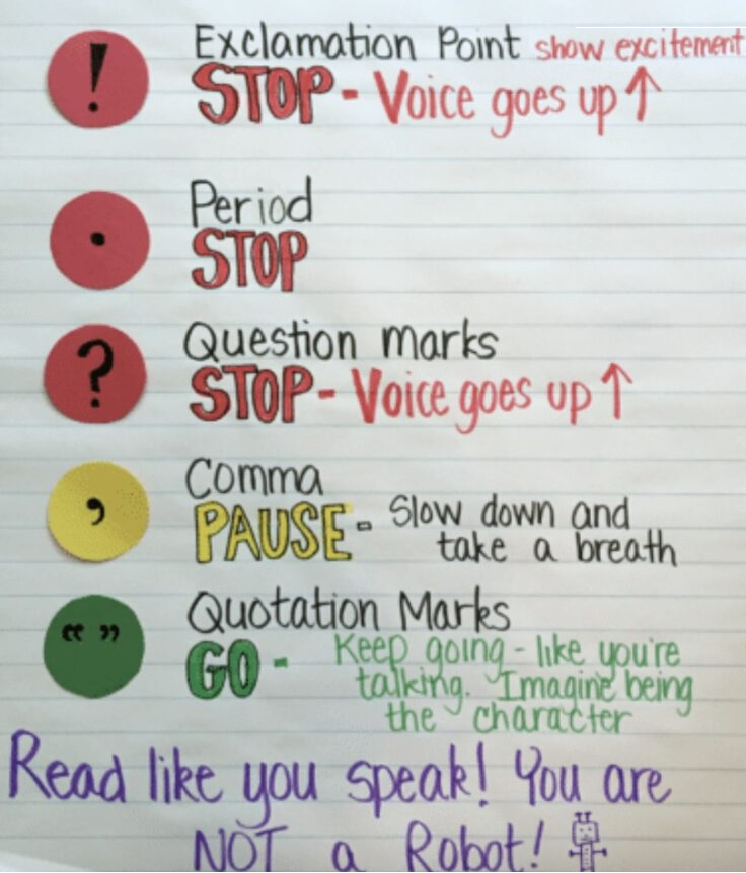
🛑 1. The Period (.) – The Stop Sign
The period is the most common punctuation mark. It is a little dot with a huge job: it tells your reader to come to a complete stop because a thought has finished.
- 🚦 When to use it: At the end of a telling or command sentence.
- 💡 How it sounds: Lower your voice slightly and pause for a second.
Example: The puppy loves to run in the green grass.
❓ 2. The Question Mark (?) – The Curious Mind
The question mark is used whenever you are hunting for information. It transforms a standard statement into a puzzle that needs an answer!
- 🚦 When to use it: At the end of any sentence that asks a question.
- 💡 How it sounds: Make your voice go a little bit higher at the very end of the sentence.
Example: Can we please play outside today**?**
🗯️ 3. The Exclamation Point (!) – The Cheerleader
The exclamation point is pure energy! It injects your sentences with big feelings like extreme excitement, sudden surprise, or loud shouting.
- 🚦 When to use it: When a sentence shows strong emotion.
- 💡 How it sounds: Speak with extra energy, volume, and enthusiasm!
Example: Wow, this is the best birthday party ever**!**
⏳ 4. The Comma (,) – The Yield Sign
A comma doesn’t stop a sentence completely; it just asks your reader to take a quick, tiny breath. It separates items in a list or gives a small break between ideas.
- 🚦 When to use it: Between items in a list, or after introductory words like “Yes” or “No”.
- 💡 How it sounds: Take a quick half-second pause, then keep going!
Example: I need to pack my pencils**,** markers**,** and notebooks.
💬 5. Quotation Marks (” “) – The Dialogue Bubble
Quotation marks act like tiny dialogue bubbles around your words. They tell the reader exactly what a person or a character said out loud.
- 🚦 When to use it: Hugging the exact words that come out of someone’s mouth.
- 💡 How it sounds: Use your best character voice for the words inside the marks!
Example: “Don’t forget your jacket,“ said Mom.
🤝 6. The Apostrophe (‘) – The Word Joiner
The apostrophe lives high up in the air. It has two main jobs: joining two words together to make a shortcut (a contraction) or showing that something belongs to someone.
- 🚦 When to use it: To replace missing letters (like do not to don’t) or to show ownership.
Examples:
- That is Tim’s red skateboard. (Ownership)
- We’ll go to the park later today. (Shortcut for We will)

📊 Summary Table: Punctuation Rules at a Glance
| Punctuation Mark | What It Looks Like | What It Tells Your Reader To Do | Quick Example |
|---|---|---|---|
| Period | . | Stop completely | I love apples.**. |
| Question Mark | ? | Ask something / Raise your voice | Where is my apple*?*** |
| Exclamation Point | ! | Shout or show excitement | I won a prize*!*** |
| Comma | , | Take a quick pause / breath | I want red*,** blue**,** and green.* |
| Quotation Marks | ” “ | Read spoken words aloud | “Hello!“ shouted Ben. |
| Apostrophe | ‘ | Show ownership or make shortcuts | This is Sam’s bike. |